Architecting the Data Bridge for Global Markets.
Osaka Data Bridge operates as a high-performance intermediary, synchronizing local Japanese market signals with international analytics frameworks. We provide the structural integrity required for cross-border data liquidity.

Cross-Border Protocol Engineering
The movement of financial and operational metrics between Osaka and global hubs requires more than just a tunnel; it requires active translation and latency management.
"Our bridge is designed to eliminate the 'lost-in-translation' lag often found in generic cloud relays."
Ingestion Hardening
Verification of source integrity at the edge. We normalize disparate data formats into a unified stream before they enter the core bridge, ensuring that downstream systems receive clean, actionable metrics.
Zero-Trust Relays
Every data packet is authenticated using transient cryptographic keys. Our regional nodes in Osaka act as the final gatekeeper, preventing unauthorized egress of sensitive local market intelligence.
Low-Latency Meshing
By utilizing direct interconnects with major Japanese exchanges and industrial zones, we bypass public congestion, delivering static-optimized stability for enterprise IT stacks.
Transformation Layers
Real-time conversion of local Japanese reporting standards into international GAAP/IFRS compatible formats, enabling seamless integration with global ERP and Business Intelligence suites.
Security Through Physicality
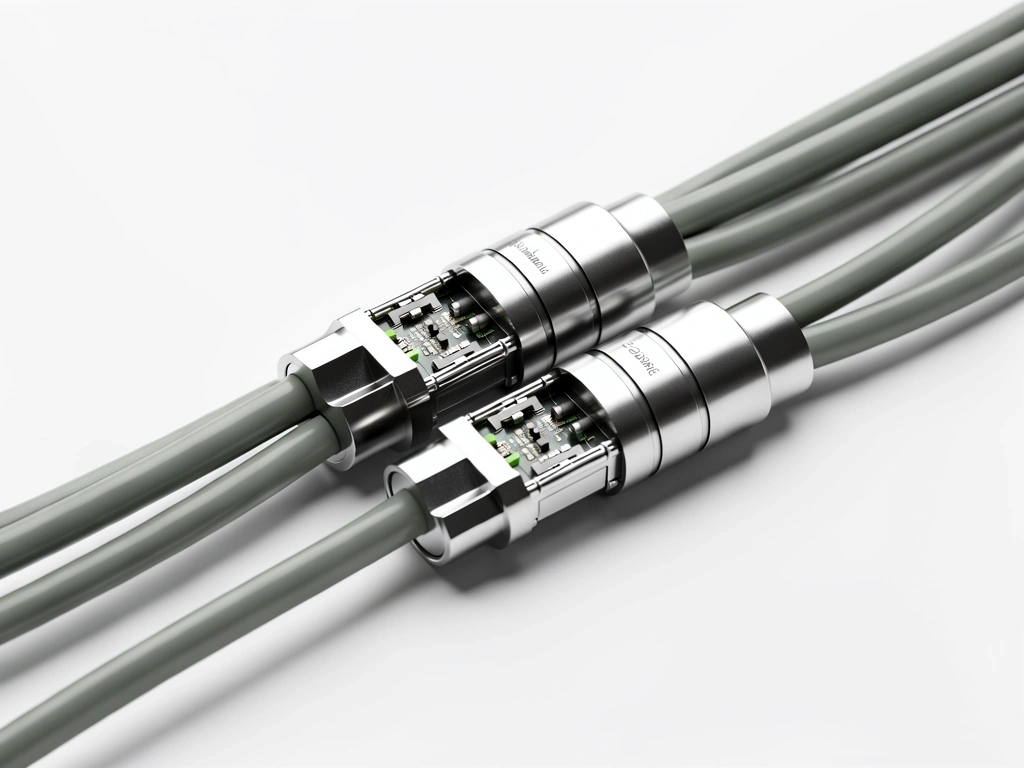
While the world moves toward purely virtual abstractions, the Osaka Data Bridge maintains a physical footprint in Osaka 31. This hardware-first approach ensures that we control the silicon and the cable, providing a layer of physical security that pure software solutions cannot match.
Step 1: Local Contextualization
Our bridge captures high-signal market metrics at the source. Instead of broad scraping, we utilize direct API hooks and proprietary sensors located within the Osaka commercial heart. This ensures the data is fresh—often within milliseconds of the actual market event.
Step 2: Signal Purification
Raw data is noisy. Our internal proprietary algorithms filter out statistical outliers and temporary volatility to provide a stabilized feed. This "purified" signal is what powers our Bridge connectivity, ensuring that your automated systems don't react to false positives.
Step 3: Encrypted Egress
The final stage involves the actual "bridge" crossing. Encapsulated in multiple layers of TLS 1.3 encryption, the data is pushed through dedicated fiber channels to international points of presence (PoP), ready for your global headquarters to consume.
Regional Data Hub Topology
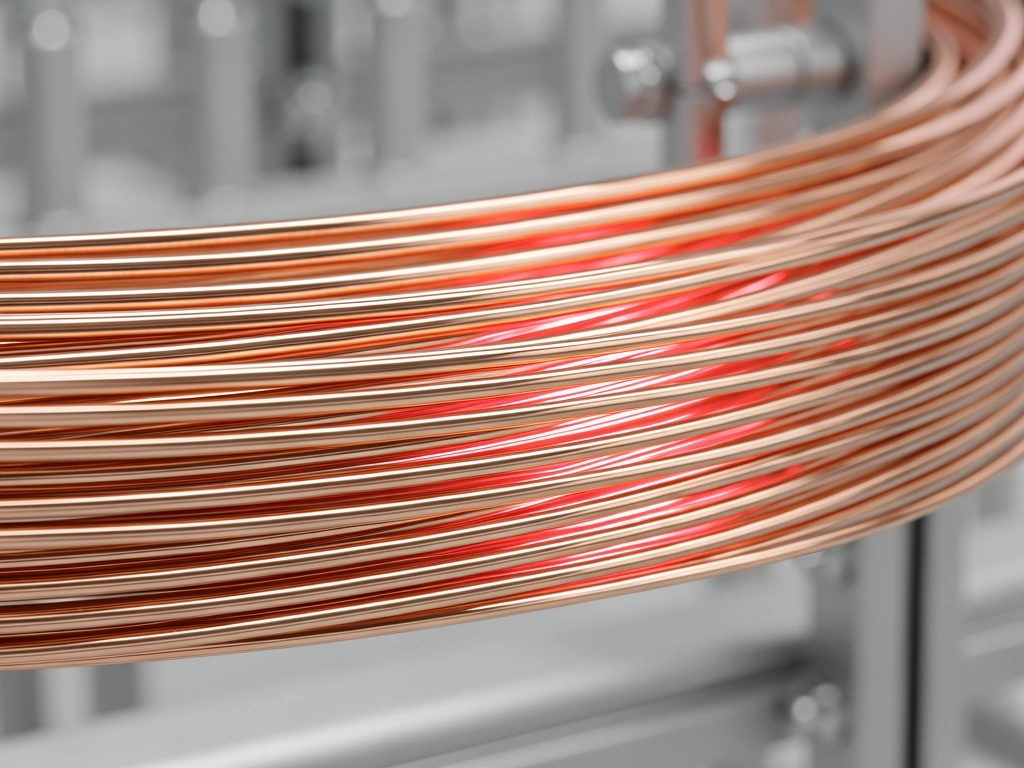
Physical Layer
Direct Tier-1 fiber cross-connects within the Osaka metropolitan area.
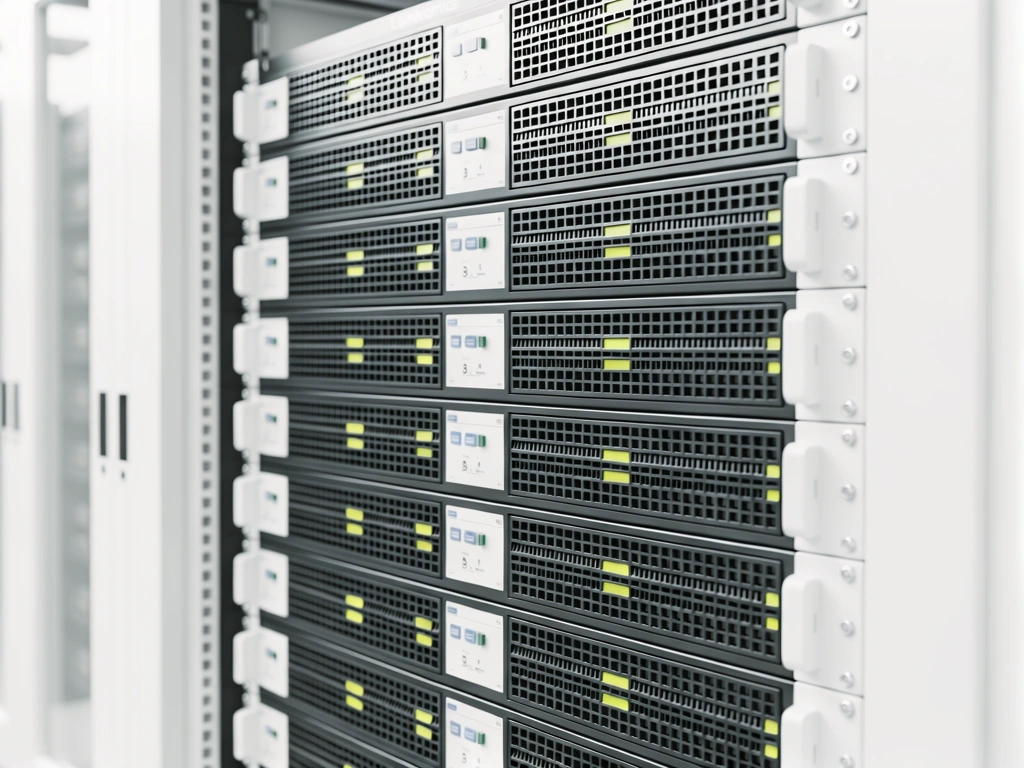
Processing Layer
Real-time normalization nodes cluster-mapped for high availability.
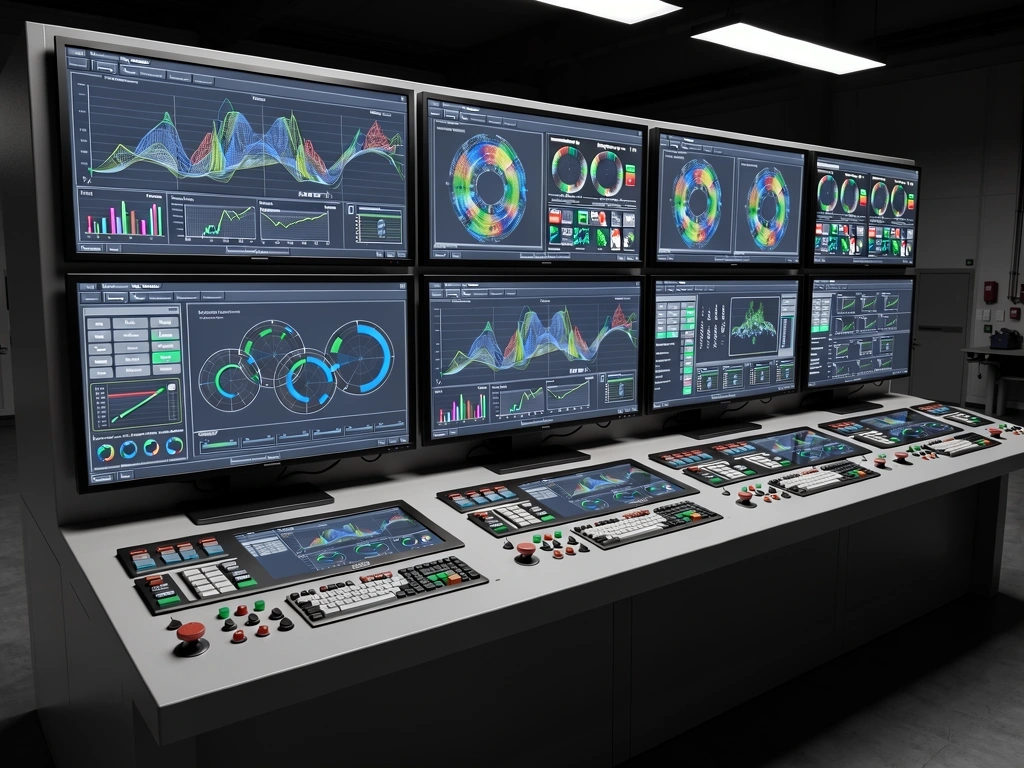
Monitoring Layer
24/7 human-in-the-loop oversight from our Osaka 31 facility.
Global Egress
Multi-region delivery via low-latency international transit partners.
Technical Specifications FAQ
Intranode latency within the Osaka region is typically sub-1ms. For international egress to major financial hubs (Sydney, Singapore, London, New York), we maintain routes that prioritize stability over variable burst speeds, averaging 40ms to 160ms depending on the target region.
Our facility at Osaka 31 features N+1 power redundancy with secondary battery backup and on-site diesel generation capable of 72 hours of independent operation. Connectivity is provided over three physically diverse fiber paths entering the building at different points.
Yes. While we provide standard market metrics as a baseline, our infrastructure allows for "Side-Channel Ingestion." Clients can pipe their own proprietary local data into our secure bridge for centralized global viewing.
Ready to Bridge the Gap?
Consult with our engineering team to integrate the Osaka Data Bridge into your operational workflow.
Location
Osaka 31, Japan
Freshness
Last Audit: March 2026
Support
+81 6 2000 0031